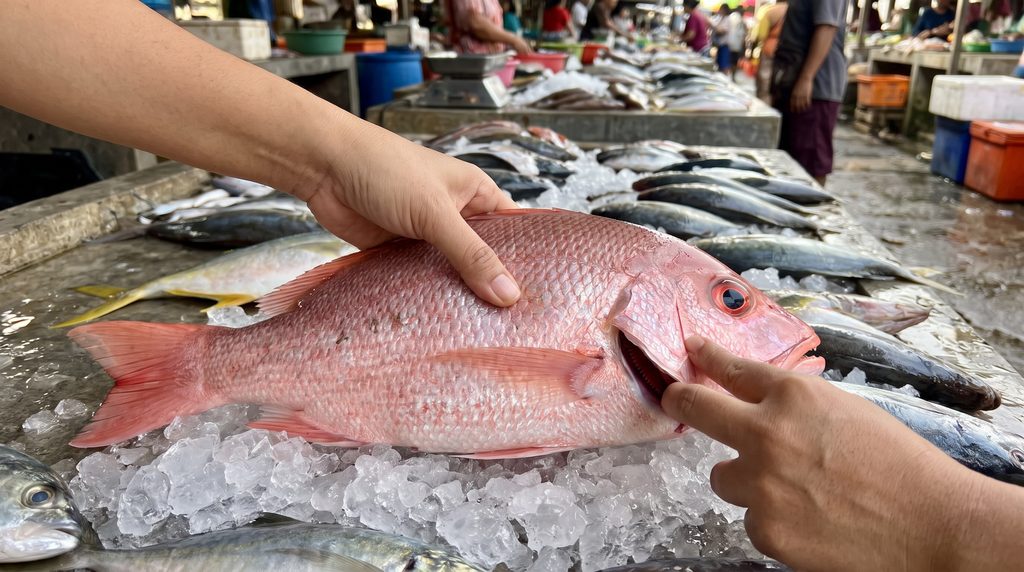
Bali is famous for its beaches, temples, and beach clubs, but some of the island’s best food experiences begin early in the morning along the coastline. As fishermen bring in their daily catches, local markets come alive with fresh seafood, traditional trading, and the everyday rhythm of Bali’s fishing communities.
Visiting a fish market is one of the best ways to experience the island’s ocean-to-table food culture. From selecting freshly caught fish to enjoying a beachfront barbecue, it offers a different perspective on Bali’s culinary traditions.
This guide covers the three best fish markets in Bali, how to identify fresh seafood, how to bargain with local vendors, and how the popular buy-to-grill experience works at Kedonganan Beach in Jimbaran.
Quick Answer: Kedonganan Fish Market in Jimbaran is the best-known destination for buying fresh seafood in Bali. Visit between 6:00 and 8:00 AM for a wide selection, or around 4:00 PM for a sunset seafood dinner. Bargaining is common, and you can take your seafood to a nearby beachfront warung to have it grilled over coconut husks.
Fish Markets in Bali at a Glance
| 주소 | Best For | Access |
| Kedonganan Fish Market, Jimbaran | Snapper, mahi-mahi, yellowfin tuna, prawns, lobster, and squid | Easy access by Grab or Gojek |
| Sanur and Pasir Putih, East Coast | Small reef fish, octopus, and ingredients for traditional fish soups | Small local markets, best visited early |
| Amed Coastal Landing Spots, Northeast Bali | Fresh mahi-mahi, Spanish mackerel, and barracuda directly from fishing boats | Informal beach landings; best for early risers |
1. Kedonganan Fish Market, Jimbaran
Kedonganan Fish Market is Bali’s best-known destination for fresh seafood and one of the island’s busiest coastal fish markets.
Located along Jimbaran Bay, the market is an important seafood hub where traditional wooden fishing boats, known as jukung, bring in their catches. Local vendors sell a wide variety of seafood to residents, restaurant owners, and visitors looking to enjoy freshly prepared fish.
What to Find
- Red snapper and mahi-mahi.
- Yellowfin tuna.
- Tiger prawns and lobster.
- Fresh squid.
- Beachfront warungs offering seafood grilling services.
Why Visit?
The biggest attraction is the opportunity to choose your own seafood and have it prepared at a nearby beachfront restaurant.
Local Tip: Buy your seafood at the market, then take it to one of the beachfront warungs along Kedonganan Beach. For a memorable experience, arrive in the late afternoon and enjoy your freshly grilled catch while watching the sunset.
2. Sanur and Pasir Putih Markets, East Coast
The coastal markets around Sanur and Pasir Putih offer a quieter and more local seafood-shopping experience.
Unlike the larger Kedonganan market, these smaller markets primarily serve nearby residents and local food businesses. Visiting early in the morning gives you a glimpse into everyday Balinese food shopping and the island’s coastal fishing culture.
What to Find
- Small reef fish.
- Fresh octopus.
- Seafood ingredients for traditional coastal soups.
- Locally available fish brought in by nearby fishing communities.
Local Tip: Arrive early in the morning. These markets cater mainly to local shoppers, so popular catches can sell out quickly.
3. Amed Coastal Landing Spots, Northeast Bali
Amed offers a different experience from a traditional fish market. Rather than shopping inside a dedicated market building, visitors can sometimes purchase seafood directly from fishermen as they return to the black-sand beaches.
Traditional wooden outrigger boats, known as jukung, are a familiar sight along Amed’s coastline. Fishermen bring their catches ashore, creating an opportunity to experience a more direct connection between local fishing and seafood consumption.
What to Find
- Mahi-mahi.
- Spanish mackerel.
- Barracuda.
- Fresh catches brought ashore by local fishing boats.
Local Tip: Consider staying overnight in Amed if you want to experience the early-morning fishing activity. Head to the beach around dawn when fishermen begin returning from the sea.
How to Tell If Fish Is Fresh at a Bali Market
Buying fresh seafood is essential for a good meal. Bali’s tropical climate makes proper handling and storage particularly important, so take a moment to inspect your seafood before purchasing.
Here are five signs to look for:
| Sign | Fresh Seafood | What to Avoid |
| Eyes | Clear, glassy, and slightly bulging | Cloudy or sunken |
| Gills | Vibrant pink or deep red | Brown, pale, or slimy |
| Flesh | Firm and elastic, springing back when pressed | Soft flesh that leaves a dent |
| Smell | Clean and mildly ocean-like | Strong fishy or ammonia smell |
| Scales and shells | Scales cling firmly; prawns and crabs have firm shells | Loose scales or mushy shells |
For the best experience, choose vendors who display seafood properly and keep fish chilled on ice.
How the Buy-to-Grill (Bakar) Experience Works
One of the most enjoyable ways to experience Kedonganan Fish Market is through its buy-to-grill seafood experience.
Instead of ordering from a standard restaurant menu, you select your own fresh seafood, agree on the price, and take it to a nearby beachfront warung for preparation.
Here is how it works:
| Stage | What Happens | Suggested Timing / Cost |
| 1. Arrive | Visit the market and browse the available seafood | 6:00–8:00 AM or around 4:00 PM |
| 2. Select and bargain | Choose your fish, agree on the price per kilogram, and pay | Bargaining is common; agree on the price before purchasing |
| 3. Cleaning | Ask the vendor to scale, gut, or fillet your fish | Say Tolong dibersihkan |
| 4. Grill | Take your seafood to a beachfront warung for grilling | Approximately IDR 15,000–30,000 per kg, according to your supplied estimate |
The seafood is typically grilled over coconut husks and seasoned with Balinese bumbu. It is commonly served with steamed rice, Sambal Matah, and water spinach.
The result is a simple but memorable meal that combines fresh local seafood with traditional Balinese flavours.
How to Visit Bali’s Fish Markets
There are several ways to include a fish market visit in your Bali itinerary, depending on the kind of experience you want.
Morning Market Visit
Visit Kedonganan, Sanur, or Amed early in the morning to observe local seafood trading and explore the available catches.
This is a good option if you want to experience the atmosphere of a working coastal market.
Sunset Buy-to-Grill Dinner
For a more relaxed experience, head to Kedonganan around 4:00 PM.
Choose your seafood, take it to a nearby beachfront warung, and enjoy dinner while watching the sunset over Jimbaran Bay.
Villa Cooking Experience
If your accommodation has a private kitchen, you can purchase fresh seafood and prepare it yourself.
Bring an insulated cooler bag and ask the vendor for ice (es batu) to keep your seafood chilled during transportation.
Getting There
For Kedonganan Fish Market, ride-hailing services such as Grab and Gojek are convenient options. You can arrange a drop-off near the market entrance and avoid dealing with limited parking in the busy area.
Best Time to Visit a Fish Market in Bali
Timing can make a significant difference to your market experience.
| Experience | Recommended Time | Why Visit Then? |
| Freshest selection | 6:00–8:00 AM | Early trading and morning catches |
| Sunset seafood dinner | Around 4:00 PM | Time to select seafood before dinner |
| Amed fishing activity | Dawn | Opportunity to see boats returning to shore |
For the widest selection, an early-morning visit is generally the best choice. If your priority is enjoying freshly grilled seafood by the beach, late afternoon at Kedonganan is a great alternative.
Tips for Visiting Fish Markets in Bali
A little preparation can make your seafood shopping experience easier and more enjoyable.
- Carry small cash: Most traditional market vendors prefer cash. Bring smaller Indonesian Rupiah notes, including IDR 50,000 and IDR 100,000.
- Bargain politely: Negotiating prices is common at open-air fish markets. Keep the conversation friendly and agree on the final price before purchasing.
- Ask for cleaning: Use the Indonesian phrase Tolong dibersihkan, meaning “Please clean it,” if you want your fish scaled, gutted, or prepared.
- Respect market etiquette: Ask before touching seafood displays or live tanks, and be considerate of vendors and other shoppers.
- Keep seafood cold: If you plan to take your purchase back to your villa, request ice (es batu) and use an insulated cooler bag.
- Wear suitable footwear: Market floors can be wet and slippery, so closed-toe, non-slip shoes are recommended.
What to Bring
Before visiting a fish market in Bali, prepare a few essentials:
- Small Indonesian Rupiah notes.
- Closed-toe, waterproof, or non-slip shoes.
- An insulated cooler bag if you plan to transport seafood.
- A mobile phone with Grab or Gojek installed.
These simple items can make your visit more comfortable, particularly during busy morning market hours.
Fish Markets in Bali FAQs
Where is the best fish market in Bali?
Kedonganan Fish Market on Jimbaran Bay is Bali’s best-known destination for fresh seafood. It offers a wide selection of fish, prawns, lobster, squid, and other seafood, with nearby beachfront restaurants offering buy-to-grill dining.
How does the buy-to-grill experience work at Kedonganan?
You purchase fresh seafood directly from vendors inside Kedonganan Fish Market and take it to a nearby beachfront warung. The restaurant prepares your seafood over coconut husks, usually serving it with steamed rice, sambal, and vegetables.
Grilling charges vary, so confirm the preparation fee with the restaurant before ordering.
What is the best time to visit a fish market in Bali?
Visit between 6:00 and 8:00 AM for an early selection of seafood. If you want a sunset seafood dinner at Kedonganan, arriving around 4:00 PM gives you time to select your catch before the evening dining rush.
How do I know if fish is fresh at the market?
Look for clear eyes, bright pink or red gills, firm flesh that springs back when pressed, a mild ocean-like smell, and firmly attached scales. Avoid fish with cloudy eyes, soft flesh, or a strong ammonia smell.
Can I bargain at fish markets in Bali?
Yes. Bargaining is common at traditional open-air fish markets. Keep negotiations friendly, ask for the price per kilogram, and agree on the final amount before paying.
Do fish market vendors in Bali accept cards?
Many traditional market vendors prefer cash, so it is best to bring Indonesian Rupiah in smaller denominations. Do not assume that card or digital payments are available at every stall.
What should I wear to a fish market in Bali?
Wear comfortable clothing and closed-toe, non-slip, or waterproof shoes. Market floors are often wet and slippery, making ordinary sandals less practical.
Final Thoughts
Visiting a fish market in Bali is about more than buying seafood for dinner. It offers a closer look at the island’s coastal communities, traditional fishing practices, and local food culture.
From the early-morning activity at Kedonganan Fish Market to the black-sand beach landings of Amed, each destination offers a different way to experience Bali’s connection to the ocean.
Arrive early, bring small cash, bargain respectfully, and make time for the buy-to-grill experience. Having your freshly selected seafood prepared with Balinese bumbu and Sambal Matah at a beachfront warung is a memorable way to enjoy the island’s culinary traditions while supporting local businesses.