Known as the Island of a Thousand Temples, Bali is celebrated for its rich cultural heritage. Among its most sacred traditions is Nyepi, the Balinese Day of Silence. It is a rare and profound experience found nowhere else in the world.
The Story of Nyepi
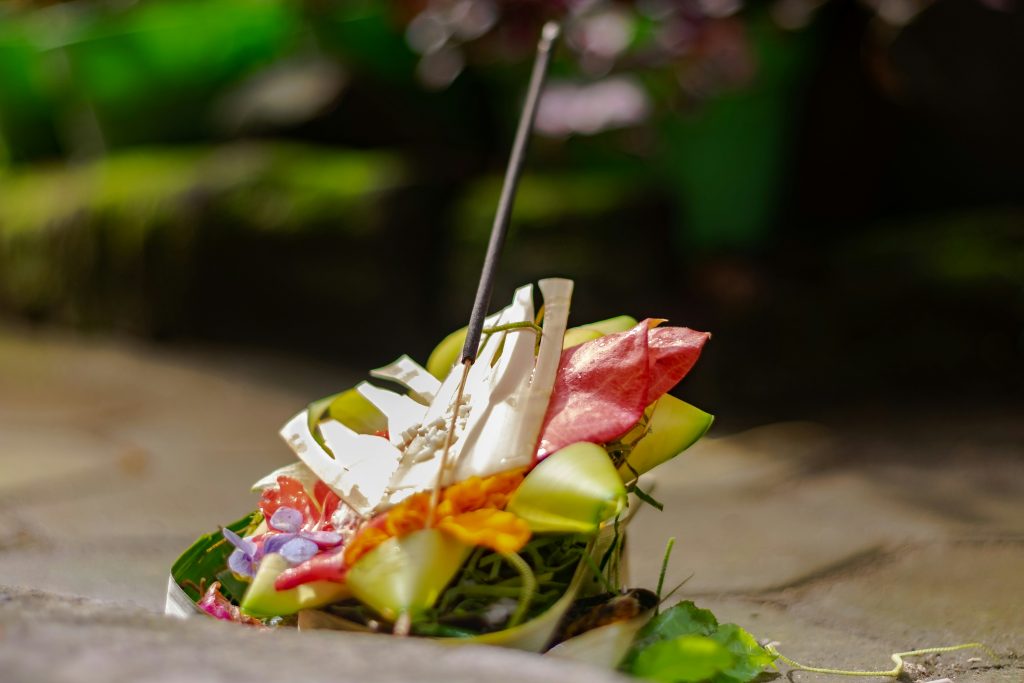
Nyepi is a unique blend of ancient legend, Hindu philosophy, and respect for nature. It is not just a day of silence. It is a spiritual reset for the entire island.
Nyepi marks the Balinese Hindu New Year. It follows the Saka Calendar, which is based on lunar cycles. Because of this, the date changes every year. The Day of Silence falls after the dark moon of the ninth month, usually in March.
Unlike New Year celebrations filled with fireworks and parties, Nyepi is defined by stillness. The island pauses completely. There are no lights, no travel, and no noise.
The Sacred Preparations Before Nyepi
Nyepi is not only about one silent day. It is a series of meaningful rituals that prepare the island spiritually and physically.
1. Spiritual Purification – Melasti
Several days before Nyepi, the Melasti ritual takes place.
The Process
Villagers walk in long, colorful processions to the sea or holy springs. They carry sacred temple objects known as Pratima. These items are cleansed in holy water (Tirta Amerta).
The Purpose
This ritual purifies both the people and the universe. It removes negative energy from the past year.
2. Artistic Expression – Ogoh-Ogoh
One of the most exciting traditions is the creation of Ogoh-Ogoh.
The Craft
Local youth groups build large, dramatic statues. These figures represent Bhuta Kala, or negative forces such as greed and anger.
Today
Modern Ogoh-Ogoh are highly detailed. Some even include moving parts, making them true works of art.
3. Home and Village Preparation
Before Nyepi, families prepare their homes and daily needs.
- Homes and family temples are cleaned thoroughly
- Food is prepared in advance
- Shops and markets are stocked, as everything will close for 24 hours
4. The Eve of Nyepi – Pengerupukan
This ritual takes place the night before Nyepi.
At Home
Families make noise by banging pots and pans. They also carry torches around their homes to drive away negative spirits.
The Parade
After sunset, Ogoh-Ogoh are paraded through the streets. The atmosphere is loud, vibrant, and energetic. The goal is to scare away evil spirits before silence begins.
5. Spiritual Readiness – Catur Brata Penyepian
On Nyepi Day, Balinese Hindus follow the Catur Brata Penyepian, or four main restrictions:
- No fire or light (Amati Geni)
- No working (Amati Karya)
- No travel (Amati Lelungan)
- No entertainment (Amati Lelanguan)
This is a time for reflection, meditation, and inner balance.
Experiencing Nyepi in Bali
Nyepi is one of the most unique experiences in the modern world. For 24 hours, the entire island comes to a complete stop. Even the airport closes, and streets are empty.
At night, the experience becomes even more magical. With no light pollution, the sky is incredibly clear. Many visitors can see the Milky Way with the naked eye.
Travelers must remain inside their hotel or villa. However, this creates a rare opportunity to disconnect and reflect.
Final Thoughts: The True Luxury of Bali
While Bali is famous for beaches and nightlife, Nyepi reveals something deeper. It shows that the island’s true luxury is its cultural and spiritual richness.
Nyepi reminds us that silence can be powerful. It teaches that we can pause, reflect, and reconnect—with ourselves and with nature.