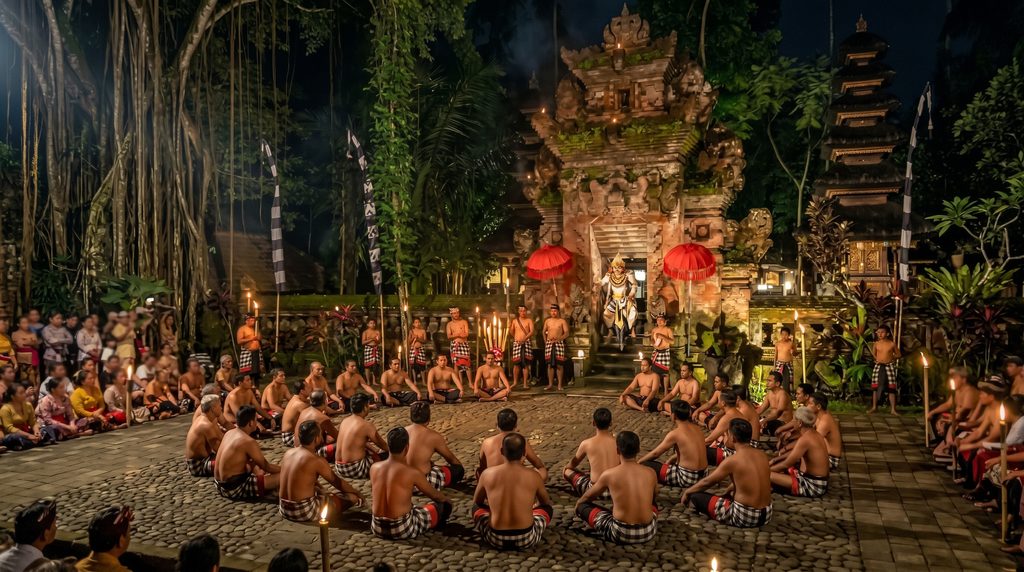
Long before Bali became known for beach clubs and luxury resorts, the island was shaped by powerful royal courts. Many of these royal palaces in Bali, known locally as Puri, still play an important role in Balinese culture and ceremonies today.
Historically, Bali was divided among nine major kingdoms, each with its own royal court. Visiting their palaces offers a different perspective on Bali’s history, architecture, art and living traditions.
Bali’s Royal Palaces at a Glance
| Kingdom | Main Palace | РАСПОЛОЖЕНИЕ | Main Highlight |
| Klungkung | Puri Agung Semarapura | Semarapura | Kertha Gosa |
| Badung | Puri Satria, Pemecutan & Kesiman | Denpasar | Royal traditions & Ngerebong |
| Karangasem | Puri Agung Karangasem | Amlapura | Balinese-European architecture |
| Buleleng | Puri Agung Buleleng | Singaraja | Royal heritage & lontar manuscripts |
| Gianyar | Puri Agung Gianyar & Ubud Palace | Gianyar/Ubud | Dance & arts |
| Tabanan | Puri Agung Tabanan & Puri Anyar | Tabanan | Royal ceremonies & performances |
| Bangli | Puri Agung Bangli | Bangli | Highland heritage |
| Jembrana | Puri Agung Jembrana | Negara | Makepung & Jegog |
| Mengwi | Puri Ageng Mengwi | Mengwi | Taman Ayun Temple |
1. Klungkung Kingdom — Puri Agung Semarapura
Location: Semarapura, Klungkung
Klungkung was historically regarded as the leading royal seat of Bali. The former palace complex was heavily affected by the Puputan Klungkung of 1908, but several important structures remain.
Highlights
- Kertha Gosa: Historic hall featuring detailed Kamasan-style ceiling paintings.
- Bale Kambang: Pavilion surrounded by a lotus pond.
- Museum Semarajaya: Displays royal heirlooms, weapons, textiles and historical photographs.
Tip: Combine a visit with other East Bali attractions such as Besakih or Kusamba.
2. Badung Kingdom — Puri Satria, Pemecutan & Kesiman
Location: Denpasar
The former Badung Kingdom covered much of southern Bali. Its history is closely associated with the Puputan Badung of 1906.
Important royal houses include:
- Puri Satria: Associated with the former royal court of Denpasar.
- Puri Agung Pemecutan: An important branch of the Badung royal family.
- Puri Agung Kesiman: Known for its connection with the Ngerebong ritual.
These remain culturally significant places, so visitors should always ask permission before entering private areas.
3. Karangasem Kingdom — Puri Agung Karangasem
Location: Amlapura, East Bali
Karangasem is famous for its distinctive royal architecture, combining Balinese, Chinese and European influences.
Highlights
- Bale London
- Maskerdam
- Candi Kurung
- Traditional royal courtyards and carvings
The Karangasem royal family also developed famous water palaces including Tirta Gangga and Taman Ujung.
Tip: Karangasem is best explored as part of an East Bali day trip.
4. Buleleng Kingdom — Puri Agung Buleleng
Location: Singaraja, North Bali
Founded by Ki Gusti Ngurah Panji Sakti, the Buleleng Kingdom played an important role in northern Bali’s history.
The palace features traditional gates, courtyards and royal heirlooms.
Nearby Gedong Kirtya is another important cultural attraction, housing collections of Balinese lontar manuscripts.
Tip: Combine the palace with Singaraja Old Town and a trip toward Lovina.
5. Gianyar Kingdom — Puri Agung Gianyar & Ubud Palace
Location: Gianyar and Ubud
Gianyar became one of Bali’s most important centres for dance, music, painting and traditional arts.
Puri Agung Gianyar
The palace features traditional courtyards, gateways and pavilions connected with the history of the Gianyar royal family.
Ubud Palace
Ubud Palace (Puri Saren Agung) is one of Bali’s most visited royal compounds. Its outer courtyard is accessible to visitors, while the palace is also known for evening traditional dance performances.
Expect performances featuring styles such as Legong, Barong and Ramayana, accompanied by Gamelan music.
Tip: Visit Ubud Palace in the afternoon and stay for an evening performance.
6. Tabanan Kingdom — Puri Agung Tabanan & Puri Anyar Kerambitan
Location: Tabanan and Kerambitan
Tabanan was historically an important agricultural and political kingdom in southwest Bali.
Puri Agung Tabanan
The palace remains connected to royal ceremonies and traditional cultural practices.
Puri Anyar Kerambitan
This royal branch is known for cultural performances and special royal dining experiences, including traditional dances such as Tektekan, Leko and Andir.
Tip: Royal dining and cultural experiences should be arranged in advance.
7. Bangli Kingdom — Puri Agung Bangli
Location: Bangli
Bangli was a highland kingdom positioned between several major Balinese kingdoms.
The palace is associated with traditional royal architecture, ceremonies and Gamelan traditions.
Nearby attractions include:
- Pura Kehen
- Penglipuran Village
- Kintamani and Lake Batur
Tip: Bangli is easy to combine with a day trip from Ubud.
8. Jembrana Kingdom — Puri Agung Jembrana
Location: Negara, West Bali
Jembrana developed as an important western gateway between Bali and East Java. Its culture reflects both Balinese and Javanese influences.
Cultural Highlights
- Makepung: Traditional buffalo races
- Jegog: West Bali’s distinctive bamboo Gamelan
- Rambut Siwi Temple: Important coastal temple
Because the palace is an active cultural space, ask permission before entering private areas.
9. Mengwi Kingdom — Puri Ageng Mengwi
Location: Mengwi, Badung
The Mengwi Kingdom was once one of Bali’s major political powers. Its royal heritage is closely connected with Taman Ayun Temple, one of Bali’s most important cultural landmarks.
Taman Ayun Temple
Built as the Mengwi state temple, Taman Ayun is famous for its multi-tiered meru shrines, traditional architecture and surrounding moat.
It forms part of the UNESCO-listed Cultural Landscape of Bali Province, associated with the island’s Subak irrigation system.
Tip: Mengwi is easily combined with Ubud or western Bali attractions.
Tips for Visiting Royal Palaces in Bali
Royal palaces are not simply tourist attractions. Many remain connected to royal families, temples and local communities.
Dress Respectfully
Wear a sarong and sash, and choose clothing that covers your shoulders and chest.
Respect Private Areas
Stay in areas open to visitors and never enter family quarters, shrines or closed courtyards without permission.
Be Careful Around Offerings
Avoid stepping on Canang Sari and other ceremonial offerings.
Ask Before Taking Photos
Photography is usually allowed in public areas, but ask permission before photographing ceremonies, priests or members of royal families.
Visit During the Morning
Morning visits are generally quieter and more comfortable for exploring and photography. For Ubud Palace, visit later in the day if you plan to attend an evening performance.
Best Palace Routes in Bali
Instead of visiting the palaces individually, group them by region.
| Route | Palaces & Attractions |
| East Bali | Klungkung → Karangasem → Tirta Gangga |
| Central Bali | Ubud → Gianyar → Bangli → Penglipuran |
| West Bali | Tabanan → Kerambitan → Jembrana |
| North Bali | Buleleng → Singaraja → Lovina |
| South Bali | Denpasar → Badung → Mengwi |
Bali Royal Palace FAQs
What is a Puri in Bali?
A Puri is a traditional Balinese royal palace or residence associated with a royal family. Many also remain connected to community leadership, cultural traditions and ceremonies.
Can tourists visit royal palaces in Bali?
Yes. Several royal compounds welcome visitors, particularly their public or outer areas. Private family quarters and sacred spaces may be restricted.
How many kingdoms were there in Bali?
Traditional Balinese history recognizes nine major kingdoms: Klungkung, Badung, Gianyar, Karangasem, Mengwi, Tabanan, Buleleng, Bangli and Jembrana.
What should I wear to a Bali palace?
A sarong and sash are recommended, along with clothing that covers the shoulders and chest.
What does Puputan mean?
Puputan refers to a fight to the death. Several Balinese royal courts carried out puputan during conflicts with Dutch colonial forces, including Badung in 1906 and Klungkung in 1908.
Are there cultural performances at Bali’s royal palaces?
Yes. Ubud Palace is particularly well known for regular traditional dance performances accompanied by Gamelan music.
Final Thoughts
Exploring Bali’s royal palaces offers a glimpse into the island’s history beyond its beaches and resorts. From the historic halls of Klungkung and the architecture of Karangasem to the artistic traditions of Ubud and the heritage of Mengwi, each Puri tells a different story.
Travel respectfully, follow local customs and remember that many of these palaces remain part of living Balinese culture.