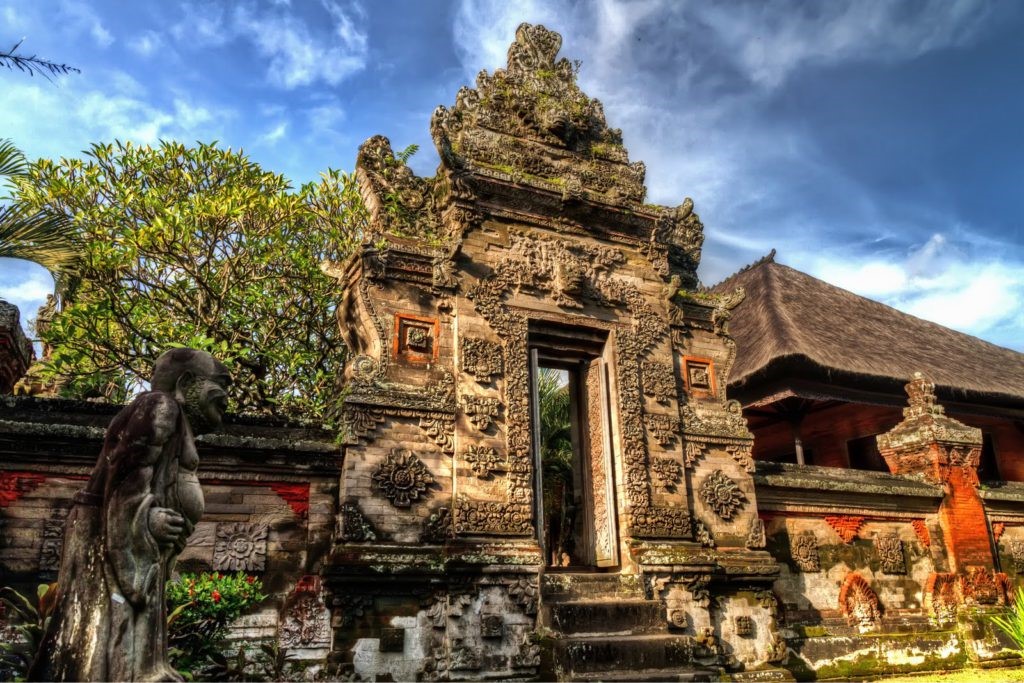
Bali is known for beaches and temples, but its museums reveal another side of the island through Balinese art, history, spirituality, traditional craftsmanship, and Indonesian heritage.
From famous art museums in Ubud to independence memorials, interactive cultural spaces, and specialized museums, these are some of the best museums to add to your Bali itinerary.
Why Visit Museums in Bali?
Bali’s museums help preserve important parts of the island’s cultural identity. They protect historical artifacts, traditional artwork, manuscripts, crafts, and religious heritage while creating opportunities for education and cultural exchange.
They also offer visitors a deeper understanding of Bali beyond its beaches and temples.
Best Art & Culture Museums in Bali
1. ARMA – Agung Rai Museum of Art
Best for: Balinese art, culture, and tropical gardens
Agung Rai Museum of Art (ARMA) is one of Ubud’s major cultural attractions. Founded in 1996, the museum combines art galleries with traditional Balinese architecture, gardens, and cultural programs.
The collection includes works by Balinese masters such as I Gusti Nyoman Lempad, along with Indonesian and international artists.
Location: Jl. Raya Pengosekan, Ubud
Highlights: Balinese paintings, cultural performances, gardens, youth programs
2. Museum Puri Lukisan
Best for: Traditional and modern Balinese art
Founded in 1956, Museum Puri Lukisan is recognized as Bali’s oldest art museum. Its collection focuses on the development of Balinese painting and wood carving, including works by renowned Balinese artists.
The peaceful garden setting makes it a relaxing cultural stop in central Ubud.
Location: Jalan Raya Ubud
Hours: Generally 9:00 AM–6:00 PM
Admission: Around IDR 95,000
3. Neka Art Museum
Best for: Classical and modern Balinese art
Established in 1982, Neka Art Museum was created to preserve Balinese artworks during a period of rapid modernization.
Its collection includes Wayang-style paintings, Ubud and Batuan works, modern Indonesian art, ceremonial keris, and historical photographs.
Location: Jalan Raya Sanggingan, Ubud
Hours: Generally 9:00 AM–5:00 PM
Admission: Around IDR 100,000–150,000
4. Museum Rudana
Best for: Indonesian modern and classical art
Museum Rudana combines art, architecture, and nature in a traditional Balinese setting. Its collection includes modern Indonesian works alongside classical paintings from the Ubud and Batuan schools.
The museum also features outdoor sculptures and views of the surrounding landscape.
Location: Jl. Cok Rai Pudak No. 44, Peliatan, Ubud
Hours: Generally 9:00 AM–5:00 PM
Admission: Around IDR 100,000 for international visitors
5. The Blanco Renaissance Museum
Best for: Surrealist art and unique architecture
Dedicated to Spanish artist Antonio Blanco, this museum occupies his former estate overlooking the Campuhan area.
The collection features paintings, collages, elaborate frames, and Blanco’s preserved studio. The combination of European-inspired architecture and Balinese surroundings makes the museum particularly distinctive.
Location: Jl. Raya Campuhan, Ubud
Hours: Generally 9:00 AM–5:00 PM
Admission: Around IDR 100,000
Specialty & Cultural Museums
6. SAKA Museum
Best for: Interactive Balinese culture
Located within the AYANA Estate in Jimbaran, SAKA Museum uses multimedia installations to explore Balinese spirituality, traditions, and environmental heritage.
Key exhibitions include Kasanga, focused on Nyepi and ogoh-ogoh, and Subak, which explores Bali’s traditional water-management system.
Location: Jimbaran, South Kuta
Hours: Generally 10:00 AM–6:00 PM
Admission: Around IDR 300,000
7. Museum Pasifika Bali
Best for: Asia-Pacific art
Museum Pasifika houses art from across Indonesia and the wider Asia-Pacific region. Its collection includes paintings, sculptures, textiles, and historical works from numerous countries and cultural traditions.
Location: BTDC Area, Nusa Dua
Highlights: Indonesian art, Pacific art, historical paintings, sculptures, textiles
8. Setia Darma House of Masks and Puppets
Best for: Traditional masks and puppetry
Setia Darma houses an extensive collection of masks and puppets from Indonesia and other parts of the world.
Traditional topeng, wayang kulit, and wayang golek are displayed across traditional buildings surrounded by gardens and rice fields.
Location: Kemenuh, Sukawati, Gianyar
Hours: Generally 8:00 AM–4:00 PM
Admission: Free; donations welcome
9. Museum Le Mayeur
Best for: Art, history, and Sanur heritage
This intimate museum preserves the former home and studio of Belgian artist Adrien-Jean Le Mayeur. His impressionist paintings capture Balinese landscapes, people, and daily life.
The preserved living spaces provide additional insight into life in Bali during the mid-20th century.
Location: Jl. Hang Tuah, Sanur
Hours: Generally 8:00 AM–4:30 PM; Friday closes earlier
10. Ogoh Ogoh Bali Museum
Best for: Balinese mythology and Nyepi traditions
Ogoh-ogoh are large sculptures traditionally paraded before Nyepi. This museum preserves examples of these temporary artworks so visitors can see them throughout the year.
The sculptures depict mythological characters and Bhuta Kala, with information available through QR codes.
Location: Mengwi, Badung
Hours: Generally 9:00 AM–6:00 PM
11. Artefak Karya Anak Bangsa
Best for: Indonesian innovation and cultural heritage
This cultural space focuses on Indonesian achievements and artifacts, connecting historical preservation with examples of local innovation, technology, and creative work.
Location: Bedulu, Blahbatuh, Gianyar
Admission: Free; donations or guestbook contributions appreciated
Hours: Generally Monday–Friday
Historical & Heritage Museums
12. Museum Bung Karno
Best for: Indonesian independence and modern history
Museum Bung Karno in Denpasar explores the life and legacy of Sukarno, Indonesia’s first president.
Exhibits include historical writings, personal objects, photographs, furniture, clothing, and material connected to Indonesia’s independence and diplomatic history.
Location: Jl. Raya Puputan No. 80, Renon, Denpasar
Hours: Generally Monday–Saturday, 9:00 AM–5:00 PM
Admission: Around IDR 25,000
13. Bali Museum
Best for: Understanding Balinese history and culture
Bali Museum is one of the island’s most important cultural institutions. Its collections cover different periods of Balinese history and include traditional textiles, ceremonial objects, weapons, masks, and archaeological artifacts.
The museum’s architecture also reflects traditional Balinese palace and temple design.
Location: Jl. Mayor Wisnu No. 1, Denpasar
Hours: Check current schedule before visiting
14. Battle of Margarana Museum
Best for: Bali’s independence history
This museum and memorial complex commemorates the 1946 Puputan Margarana battle during Indonesia’s independence struggle.
The site includes historical artifacts, photographs, a hero monument, and a cemetery honoring those who died during the conflict.
Location: Marga, Tabanan
Hours: Generally 8:00 AM–5:00 PM
Admission: Free; donations welcome
15. Gedong Kirtya
Best for: Lontar manuscripts and Balinese knowledge
Gedong Kirtya in Singaraja is a specialized museum and library dedicated to lontar, traditional palm-leaf manuscripts.
Its collection covers subjects including religion, mythology, philosophy, medicine, architecture, genealogy, and traditional Balinese knowledge.
Location: Jl. Veteran No. 20, Singaraja
Hours: Generally Monday–Thursday 8:00 AM–4:00 PM; Friday until 1:00 PM
Admission: Around IDR 5,000–25,000
Specialized Museums in Bali
16. Wiswakarma Museum Bali
Best for: Balinese architecture and craftsmanship
Wiswakarma Museum focuses on traditional Balinese architecture, woodcarving, sculpture, and craftsmanship.
Visitors can explore carved architectural elements, traditional sculptures, gamelan instruments, and a replica of a Balinese kitchen. Cultural workshops are also part of the museum’s activities.
Location: Jalan Raya Batubulan, Sukawati, Gianyar
Hours & admission: Check current information locally
17. Asana Artseum Bali
Best for: Interactive art and photography
Asana Artseum combines cultural displays, photography spaces, and traditional costume experiences near GWK Cultural Park.
The venue features themed backdrops and interactive installations inspired by Balinese and Javanese culture.
Location: Near the GWK entrance, Ungasan
Admission: Included with GWK admission; additional fees may apply for costumes and photography
Hours: Generally 10:00 AM–7:00 PM
18. Subak Museum
Best for: Balinese agriculture and irrigation
Subak Museum explains Bali’s traditional subak irrigation system, an important part of Balinese agricultural culture and heritage.
Exhibits include agricultural tools, manuscripts, dioramas, and models demonstrating how traditional irrigation systems work.
Location: Kediri, Tabanan
Hours & admission: Check current operating information
Best Museums in Bali by Interest
| Interest | Museums to Visit |
| Balinese art | ARMA, Puri Lukisan, Neka |
| Modern Indonesian art | Rudana, Neka |
| Unique art experience | Blanco Renaissance |
| Balinese culture | ARMA, Bali Museum, SAKA |
| Indonesian history | Museum Bung Karno, Battle of Margarana |
| Masks & puppets | Setia Darma |
| Nyepi & ogoh-ogoh | Ogoh Ogoh Bali Museum |
| Traditional manuscripts | Gedong Kirtya |
| Balinese architecture | Wiswakarma Museum |
| Agriculture & irrigation | Subak Museum |
| Asia-Pacific art | Museum Pasifika |
| Photography & interactive art | Asana Artseum |
| Sanur heritage | Museum Le Mayeur |
Tips for Visiting Museums in Bali
Check Opening Hours
Smaller museums may have limited schedules, holidays, or temporary closures. Check current opening hours before traveling.
Dress Respectfully
Some museums are located near traditional cultural or religious spaces. Wearing modest clothing and carrying a sarong is useful.
Bring Cash
Smaller museums may only accept cash or donations.
Consider a Local Guide
Historical collections can be much easier to understand with a local guide, particularly when English information is limited.
Combine Nearby Attractions
Make your itinerary more efficient by combining museums with nearby attractions:
- Ogoh Ogoh Museum + Taman Ayun Temple
- Asana Artseum + GWK Cultural Park
- Subak Museum + Battle of Margarana Museum
- Ubud art museums + Ubud Palace and Monkey Forest
Frequently Asked Questions
What are the best art museums in Ubud?
ARMA, Museum Puri Lukisan, Neka Art Museum, Museum Rudana, and The Blanco Renaissance Museum are among the key art museums in Ubud.
Which museums are best for Balinese culture?
Bali Museum, ARMA, SAKA Museum, Subak Museum, and Wiswakarma Museum cover different aspects of Balinese art, spirituality, architecture, agriculture, and traditions.
Where can I learn about Indonesian independence?
Museum Bung Karno focuses on Sukarno and Indonesia’s modern political history, while Battle of Margarana Museum focuses on the independence struggle in Bali.
Where can I see traditional Balinese manuscripts?
Gedong Kirtya in Singaraja specializes in lontar palm-leaf manuscripts and traditional Balinese knowledge.
Which museum is best for children or interactive experiences?
SAKA Museum and Asana Artseum offer more interactive experiences, while Ogoh Ogoh Bali Museum provides a distinctive introduction to Balinese mythology and Nyepi traditions.
How much do Bali museums cost?
Admission varies widely. Some museums are free or donation-based, while larger museums may charge around IDR 100,000–300,000. Always check current prices before visiting.
Final Thoughts
Bali’s museums provide an opportunity to understand the island beyond its beaches and temples. Ubud’s art museums showcase generations of Balinese creativity, while Denpasar’s historical museums explore local and Indonesian history.
For something more specialized, visit Gedong Kirtya for ancient manuscripts, Subak Museum for traditional agriculture, Setia Darma for masks and puppets, or Ogoh Ogoh Bali Museum for Nyepi culture.
Adding even one or two museums to your Bali itinerary can provide a deeper appreciation of the island’s art, traditions, history, and cultural identity.