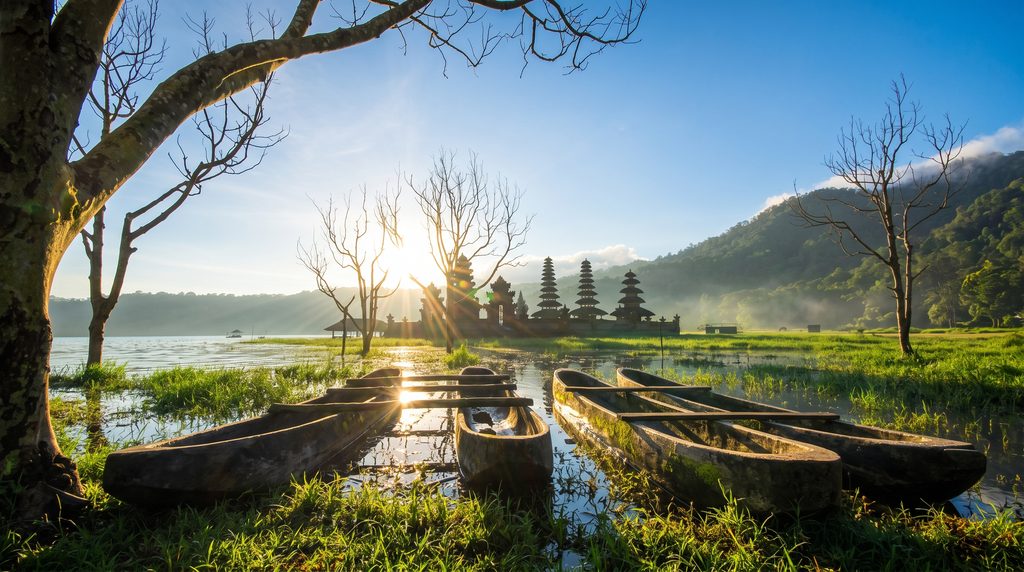
Bali’s forests are more than beautiful landscapes. Many are connected to Tri Hita Karana, the Balinese philosophy of harmony between people, nature, and the spiritual world.
From misty mountain rainforests to peaceful bamboo groves and wildlife-rich national parks, these hidden forests offer a quieter side of Bali. Explore ancient trees, secluded waterfalls, and sacred temples while respecting the traditions that protect them.
Bali’s Hidden Forests at a Glance
| Forest | Regency | Best For |
| Sangeh Monkey Forest | Badung | Easy walks and ancient trees |
| Tamblingan Sacred Rainforest | Buleleng | Misty trails and lake views |
| West Bali National Park | Buleleng & Jembrana | Wildlife and wilderness |
| Munduk & Mount Lesung | Buleleng | Waterfall hikes |
| Mount Batukaru | Tabanan | Challenging rainforest treks |
| Sambangan Secret Garden | Buleleng | Waterfalls and natural pools |
| Penglipuran Bamboo Forest | Bangli | Photography and family walks |
1. Sangeh Monkey Forest — Alas Pala Sangeh
Location: Sangeh Village, Abiansemal, Badung
Sangeh is a peaceful woodland known for its towering pala trees and resident long-tailed macaques. The forest covers approximately 14 hectares and offers shaded walking paths around an important temple.
Highlights
- Pura Bukit Sari: A historic temple associated with the Mengwi Kingdom.
- Ancient trees: Enjoy the dense canopy and quiet forest atmosphere.
- Macaques: Observe the monkeys from a respectful distance.
Tip: Keep sunglasses, hats, and snacks securely stored, and never feed the monkeys.
2. Tamblingan Sacred Rainforest
Location: Lake Tamblingan, Munduk area, Buleleng
Surrounded by misty highlands, Lake Tamblingan is bordered by lush rainforest, old trees, and small sacred shrines. Its peaceful atmosphere makes it one of Bali’s most memorable nature escapes.
Highlights
- Lakeside trails: Walk through the forest and discover historic shrines.
- Traditional canoes: Experience the lake in a hand-paddled wooden canoe when available.
- Cool mountain air: Enjoy a refreshing break from Bali’s coastal heat.
Tip: Visit early in the morning for misty lake views and a quieter experience.
3. West Bali National Park
Location: Western Bali, Buleleng and Jembrana
West Bali National Park protects a diverse landscape of dry forest, mangroves, coastal habitats, and savannah. It is one of the island’s best destinations for wildlife and nature lovers.
Highlights
- Wildlife spotting: Look for rusa deer and other native species.
- Bali starling: The critically endangered bird is native to Bali.
- Coastal ecosystems: Explore landscapes very different from the island’s central highlands.
Tip: Arrange your trek with the park authorities and follow the applicable guide requirements.
4. Munduk & Mount Lesung Mountain Jungle
Location: Munduk, Buleleng
Munduk’s cool mountain forests feature coffee and clove plantations, giant ferns, and scenic waterfall trails. Nearby Mount Lesung offers a more demanding option for hikers seeking a deeper rainforest experience.
Highlights
- Munduk waterfall trails: Walk through lush vegetation and plantations.
- Melanting and Red Coral waterfalls: Discover some of the area’s best-known cascades.
- Mount Lesung: Explore forested mountain terrain with a local guide.
Tip: Trails can become slippery after rain. Wear shoes with good grip and check conditions before setting out.
5. Mount Batukaru Primary Rainforest
Location: Wongaya Gede, Tabanan
Mount Batukaru is Bali’s second-highest peak and is surrounded by dense mountain forest. Near its slopes, Pura Luhur Batukaru adds cultural significance to the landscape.
Highlights
- Pura Luhur Batukaru: Visit this important mountain temple.
- Rainforest trekking: Experience steep trails, streams, and dense vegetation.
- Jatiluwih rice terraces: Combine your visit with the scenic rice-growing landscape nearby.
Tip: The summit trek is demanding. Use a local guide, check weather conditions, and start early.
6. Sambangan Secret Garden
Location: Sambangan Village, Buleleng
Sambangan combines tropical forest, river canyons, waterfalls, and natural pools. Trails wind through plantations before descending into lush valleys.
Highlights
- Aling-Aling Waterfall: A well-known waterfall surrounded by greenery.
- Kroya Waterfall: Popular for natural rock slides and jumping activities where permitted.
- Multiple cascades: Explore smaller waterfalls along the forest trails.
Tip: Only jump or slide at approved spots with qualified local guidance. Avoid canyon activities after heavy rain or when water conditions are unsafe.
7. Penglipuran Bamboo Forest
Location: Penglipuran Village, Bangli
Just beyond the traditional village of Penglipuran lies a peaceful bamboo forest with towering stalks and shaded pathways. Protected through local customs, the forest also plays a role in the area’s environmental and cultural heritage.
Highlights
- Bamboo corridors: Walk beneath the tall bamboo canopy.
- Penglipuran Village: Explore traditional Balinese architecture and village life.
- Local crafts: Discover bamboo craftsmanship and other local traditions.
Tip: Arrive early for softer light, cooler temperatures, and a quieter visit.
Tips for Visiting Hidden Forests in Bali
Many Balinese forests are connected to temples, sacred springs, and village traditions. Follow local guidance and treat these places as cultural landscapes as well as natural attractions.
- Dress respectfully: Carry a sarong and sash for temple visits, and cover your shoulders.
- Respect offerings: Avoid stepping on canang sari or disturbing offerings and shrines.
- Protect sacred sites: Don’t climb temple structures, statues, or sacred trees for photos.
- Hire local guides: Guided hikes are particularly useful at Mount Batukaru, Mount Lesung, Sambangan, and West Bali National Park.
- Keep your distance from wildlife: Never feed monkeys or approach wild animals.
- Check the weather: Start early and avoid steep trails or river canyons during heavy rain.
- Leave no trace: Take your rubbish with you and leave plants, moss, and stones undisturbed.
What to Pack for Jungle Trekking in Bali
| Category | Essentials |
| Clothing | Quick-dry top, lightweight long trousers, extra socks |
| Footwear | Trail shoes or hiking boots with good grip |
| Water and food | At least 2 litres of water, snacks, electrolytes |
| Protection | Insect repellent, sunscreen, blister plasters |
| Weather gear | Rain poncho, dry bag, headlamp, small towel |
| Temple visits | Clean sarong and sash |
Best Forest Routes in Bali
Group nearby attractions to reduce travel time and enjoy more of each area.
| Route | Suggested Stops |
| North Highlands | Tamblingan → Munduk waterfalls → Mount Lesung |
| North Bali | Sambangan → Singaraja → Lovina |
| Central Bali | Sangeh → Penglipuran → Kintamani |
| Tabanan | Pura Luhur Batukaru → Jatiluwih rice terraces |
| West Bali | West Bali National Park → Pemuteran or Menjangan Island |
Bali Hidden Forests FAQs
When is the best time to explore Bali’s forests?
The dry season, generally April to October, often provides better hiking conditions. May, June, and September can be good months to visit, although weather varies by location.
Are Bali’s hidden forests suitable for beginners?
Some are. Sangeh and Penglipuran are better options for easier walks, while Mount Batukaru and Mount Lesung involve more demanding terrain. Choose a trail that matches your fitness and experience.
What is a sacred forest in Bali?
A sacred forest is an area protected because of its cultural, spiritual, or environmental importance. Some are associated with temples, holy springs, and local customary laws.
What should I wear when visiting sacred forests?
Wear comfortable hiking clothes and sturdy shoes. Bring a sarong and sash for temple areas, and follow local instructions about appropriate attire and access.
Do I need a guide for West Bali National Park?
Check with park authorities before visiting, as access and guiding requirements depend on the activity and area. A local guide can also help with wildlife spotting and navigation.
Is jungle trekking in Bali safe?
It can be safe with suitable preparation. Check the weather, stay on established trails, avoid trekking alone in remote areas, and use a qualified guide for difficult terrain. Never enter river canyons when heavy rain threatens flash flooding.
Final Thoughts
Exploring Bali’s hidden forests reveals a different side of the island, from the misty shores of Tamblingan and the waterfalls of Munduk to the wildlife habitats of West Bali National Park and the bamboo groves of Penglipuran.
Travel slowly, support local guides, and respect the customs that protect these places. By leaving the forests undisturbed, you help preserve Bali’s natural and cultural heritage for future generations.